Patient Anxiety Reduction: Comfortable, Well-Supported Patients Experience Less Fear and Settle Into Treatment More Quickly
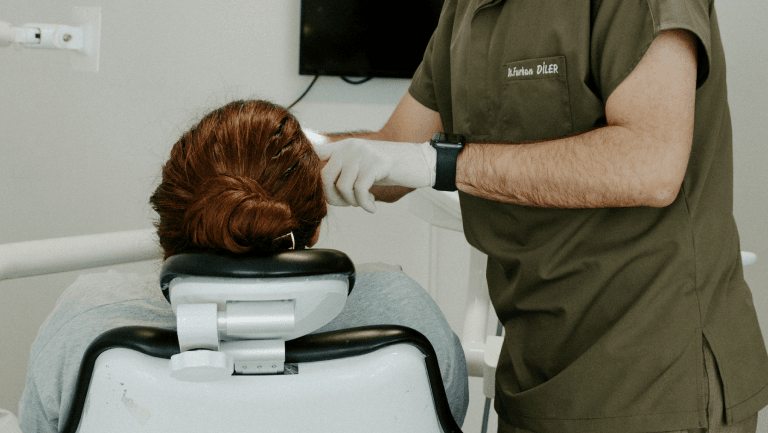
Patient anxiety often plays a role in dental visits. Research consistently shows that dental anxiety affects a significant portion of adults. For many individuals, anxiety can intersect with broader mental health concerns, increasing psychological stress before treatment begins. Physical comfort offers reassurance that helps patients relax as soon as they are seated.
Beyond communication and environment, the physical experience of the dental chair plays a key role in how quickly a patient settles. Comfort and support influence both the body and the mind. When patients feel stable, balanced, and well supported, tension eases and cooperation increases. Calm care begins with how the body is positioned.
Physical Response Sets the Tone for the Appointment
The first moments in the dental chair trigger an immediate physical reaction. Patients register pressure, balance, and alignment as they sit down. The body responds instinctively, signaling either safety or alertness through the fight-or-flight system.
When positioning feels uneven, muscles engage to compensate. Breathing becomes shallow and posture stiffens. These physical responses increase psychological stress and keep patients focused on bodily sensations rather than care.
Secure positioning helps the body relax. Muscles release tension and breathing slows. This physical grounding supports emotional regulation and establishes a calmer tone for the entire appointment.
Comfort Encourages Stillness and Trust
Stillness plays a meaningful role in anxiety reduction. Patients who feel supported move less during treatment and respond more calmly to provider guidance. Proper support allows the body to rest in alignment instead of maintaining tension.
This support is especially important for patients who experience back pain or chronic pain during longer appointments. When pressure is distributed evenly and the spine remains supported, discomfort decreases and patients remain settled.
- Well-supported patients often:
- Adjust position less frequently
- Maintain relaxed posture throughout treatment
- Breathe steadily and evenly
- Engage calmly with providers
Physical ease supports emotional calm and contributes to mental wellness during care.
Positioning Creates Predictability and Emotional Safety
Predictability contributes to patient confidence. When the body remains aligned and supported, treatment feels steady and controlled. Consistent positioning reduces uncertainty and encourages relaxation.
For many patients, comfort feels most effective when it reflects an individualized treatment plan. Positioning that accounts for body type, mobility, and comfort preferences reinforces trust and helps patients remain relaxed throughout care. This sense of psychological support allows patients to focus on treatment rather than anticipation.
The Dental Chair as the Foundation of Comfort
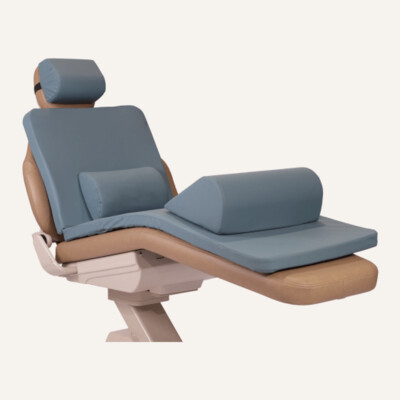
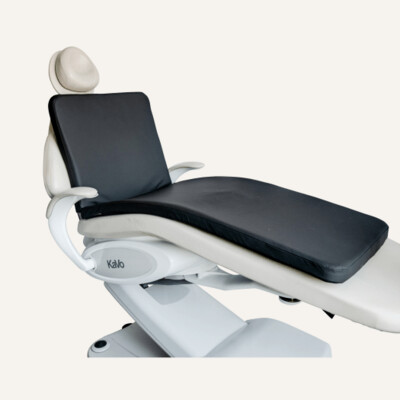
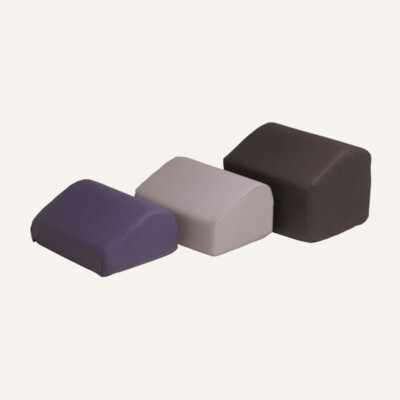
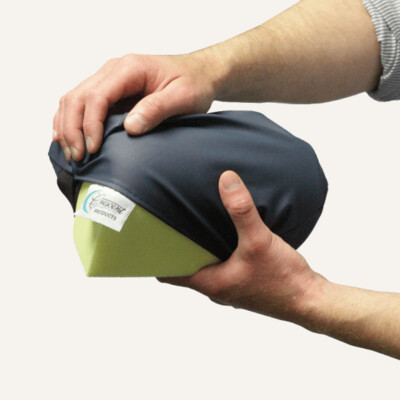
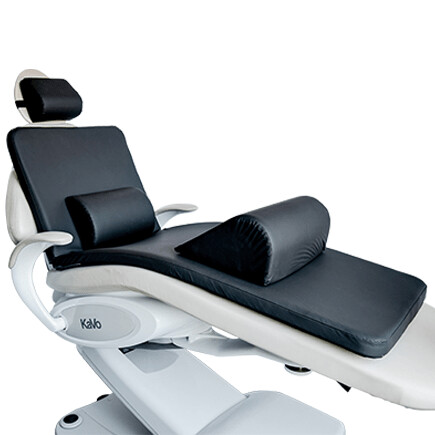
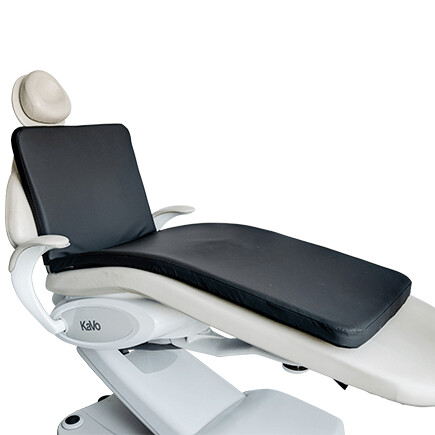
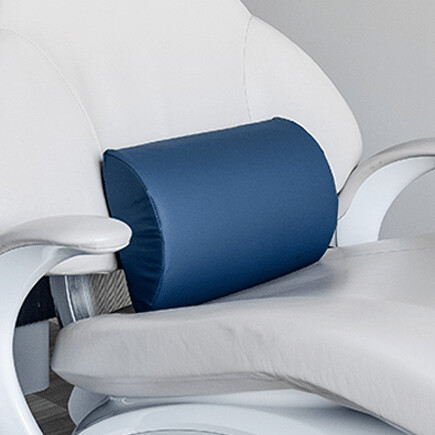
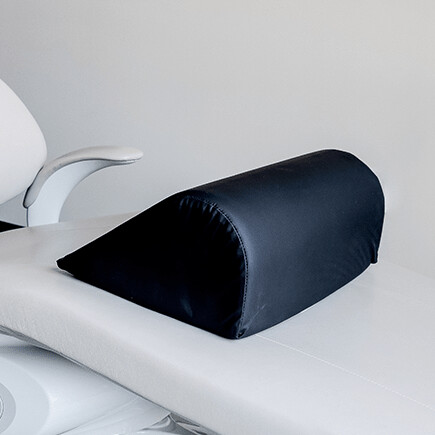
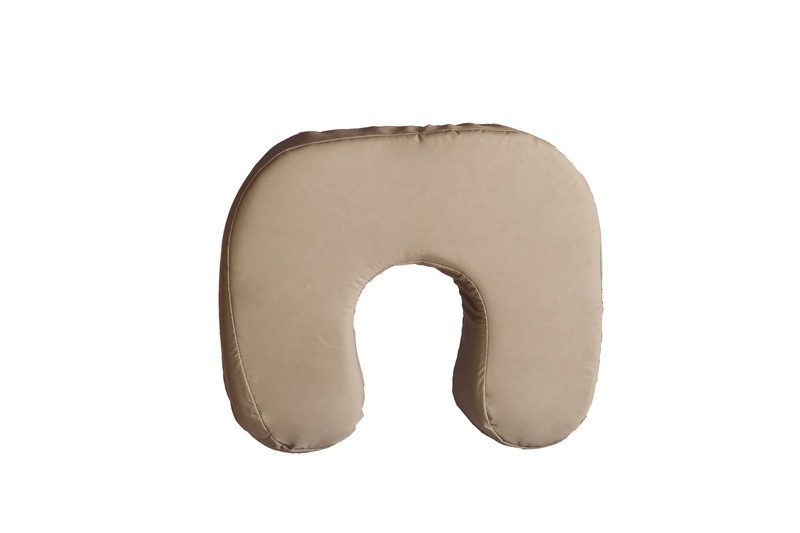
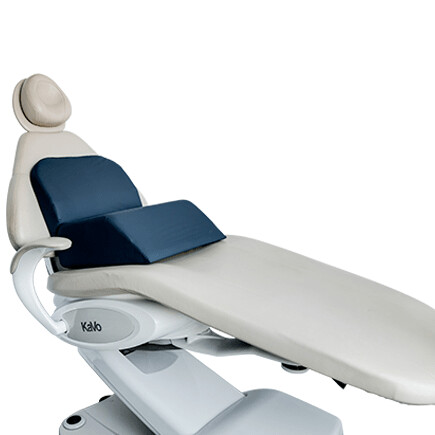
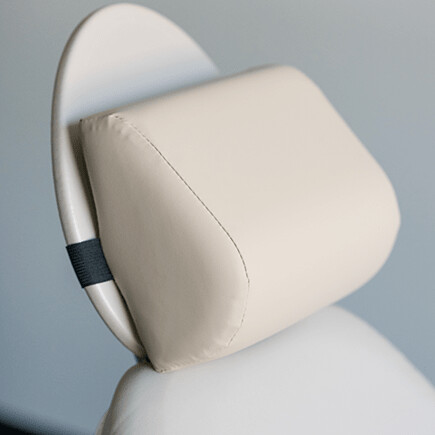
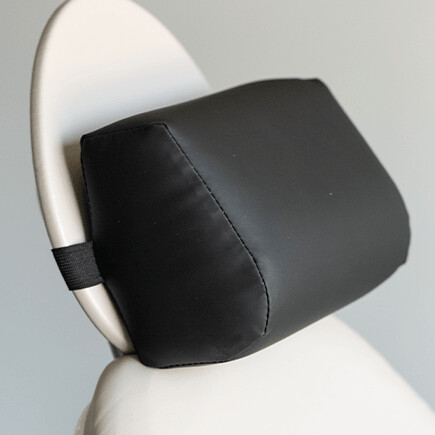
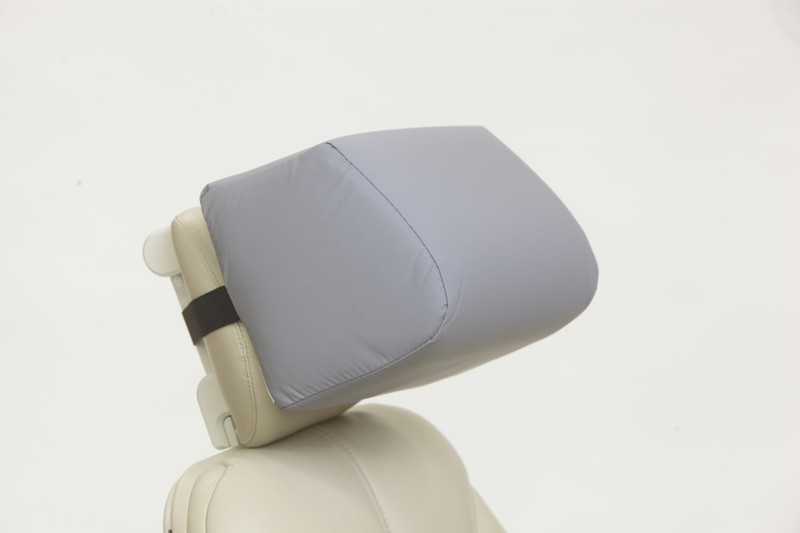
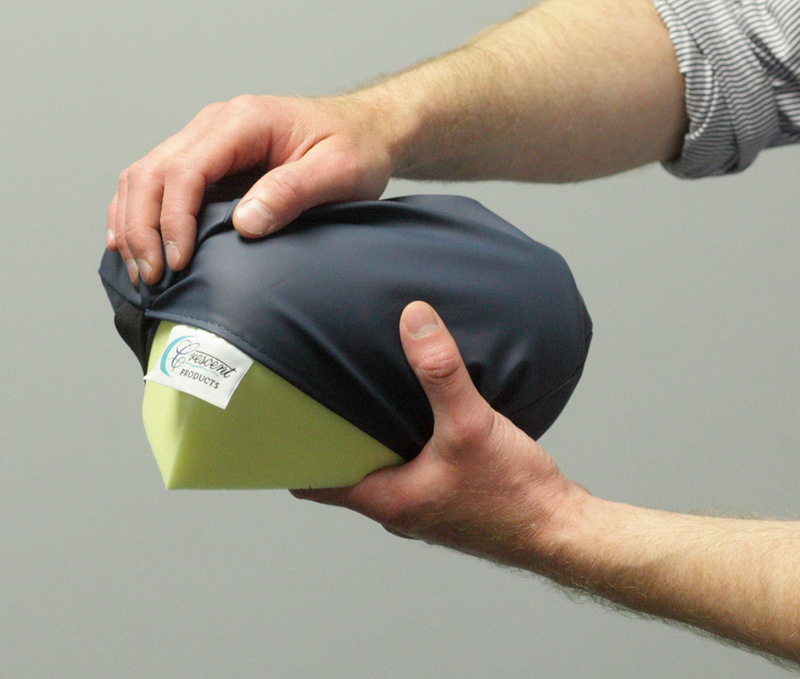
The dental chair serves as the foundation of the patient’s experience. Its accessories determine how effectively the body is supported during treatment. Headrests, chair pads, backrests, and positioning supports work together to maintain balance and alignment.
Support becomes especially important during long wait times when patients remain seated before or between procedures. When accessories maintain structure and stability, patients remain comfortable even as appointments extend. Stable support prevents tension from building and helps patients stay grounded throughout the visit.
How Dental Chair Accessories Influence Anxiety Reduction
Dental chair accessories play a direct role in how patients experience care. Accessories designed with positioning in mind support the body consistently throughout treatment.
Thoughtfully designed accessories provide:
- Balanced weight distribution across contact points
- Stable head and neck alignment
- Consistent lumbar and hip support
- Reduced need for repositioning
When accessories perform predictably, patients trust the chair to support them comfortably for the duration of the appointment. This trust supports relaxation and reduces emotional load, particularly for patients managing health anxiety during dental care.
Comfort Supports Cooperation and Efficient Care
Patient comfort benefits treatment flow. When patients remain settled, providers maintain clear access and visibility. Procedures progress smoothly and appointments stay on schedule.
Comfortable positioning supports:
- Fewer interruptions during procedures
- Steady working access for providers
- Predictable pacing throughout appointments
- A calmer clinical atmosphere
Comfort also reinforces social support within the clinical environment. When patients feel physically supported, interactions with providers feel calmer and more collaborative. These physical benefits shape treatment flow and how patients perceive the quality of care.
Visible Comfort Reinforces Patient Confidence
Patients recognize thoughtful care through physical experience. Clean, supportive, and well-maintained chair accessories communicate preparation and attentiveness. Visible comfort reassures patients and supports confidence in care quality. Comfort is an important part of how patients evaluate an overall experience. For patients with dental care anxiety, every positive interaction can make a care routine feel more manageable.
Supporting Providers Through Better Positioning
Patient positioning influences more than access. When patients remain aligned and settled, providers work with greater consistency and ease. Stable positioning supports healthier posture and steadier treatment flow throughout the day.
Proper support helps reduce physical strain and limits the cumulative emotional upheaval that can build when appointments require constant adjustment. The result is more predictable care and clearer focus across a full provider schedule.
Anxiety Reduction as Part of Holistic Care
Anxiety reduction in dental settings aligns with broader approaches to mental health and psychological support. Physical comfort works alongside calm communication, mindfulness training, and positive suggestions offered throughout treatment.
Some practices also incorporate elements of Response Prevention, helping patients remain present rather than reactive to anticipatory fear. When physical support reinforces these approaches, patients can build confidence and resilience.
Thoughtful positioning supports self-care strategies by grounding the body and encouraging calm during care.
Creating Calmer Appointments Through Support
Patient anxiety reduction begins with physical stability. When patients feel supported and balanced, fear softens and cooperation improves. Thoughtful positioning helps patients settle into treatment quickly and remain comfortable throughout care.
Comfort supports calm. Stability supports trust. Proper positioning supports better experiences for patients and providers alike.
Calmer care starts with support that works from the moment a patient sits down.