Reducing Musculoskeletal Pain: The Cost of Musculoskeletal Pain and How Ergonomics Helps Reduce It
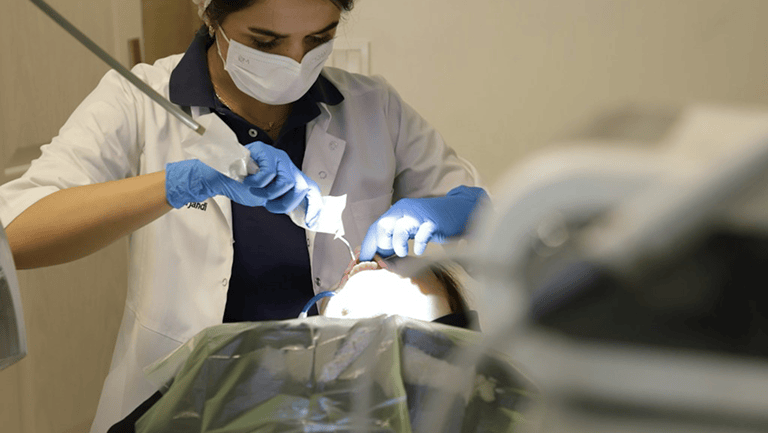
In dentistry, musculoskeletal pain is a well-recognized occupational hazard. Dentists and hygienists lean, hunch, and twist daily while delivering routine patient care. Repetitive motions and awkward postures contribute to neck pain, shoulder tension, lower back discomfort, and hip fatigue. These issues remain among the most common musculoskeletal symptoms reported in dental settings.
Addressing ergonomics is about more than comfort. It is about reducing risk, supporting provider health, and sustaining quality care. With proper patient positioning, providers maintain healthier working postures while patients remain comfortable and relaxed. When left unaddressed, musculoskeletal pain can progress into disorders that affect both care quality and career longevity.
The Hidden Cost of Musculoskeletal Pain in Dentistry
Musculoskeletal pain rarely begins with a single injury. It develops through repeated exposure to ergonomic risk factors embedded in daily clinical routines. Sustained body postures, fine motor repetition, and static positioning contribute to cumulative strain across joints and muscle groups.
The physical demands of dental work increase the likelihood of workplace injuries such as sprains, strains, and repetitive strain injuries. Providers may unconsciously adapt their workstation habits to manage discomfort, often shifting strain to other areas of the body. Over time, these compensations accelerate fatigue and reduce endurance across a full clinical schedule.
The cost extends beyond physical discomfort. Persistent musculoskeletal symptoms affect focus, recovery time between appointments, and long-term professional sustainability.
Why Dentistry Presents Unique Ergonomic Risk Factors
Dental care requires precision within limited visual and physical space. Providers frequently maintain forward-leaning positions, elevated arms, and fixed head postures to access small treatment areas. These conditions introduce workplace risk factors that place ongoing stress on the spine, shoulders, and upper extremities.
Common contributors include:
- Awkward postures held for extended periods
- Repetitive hand and arm movements
- Limited ability to change posture mid-procedure
- Inconsistent patient positioning
When workstation factors and patient positioning are misaligned, providers must compensate with their own posture, increasing muscular effort and cumulative strain.
How Patient Positioning Influences Provider Ergonomics
Patient positioning is a foundational element of office ergonomics in dental care. When patients are properly supported and aligned, providers are better able to maintain neutral postures and balanced movement patterns.
Poor positioning shifts physical demand onto the provider. Even minor deviations repeated across appointments contribute to musculoskeletal strain, particularly in the neck, shoulders, and lower back. Cumulative strain increases the likelihood of musculoskeletal disorders and workplace injuries.
Effective positioning supports:
- Neutral spine alignment
- Reduced leaning and twisting
- Stable access throughout treatment
- Lower cumulative physical stress
Positioning is a shared ergonomic process that benefits both patients and providers.
Ergonomics as a Preventive Approach
Ergonomics focuses on reducing risk before pain becomes limiting. In dental settings, this includes workstation design, adjustable furniture, and awareness of how posture and movement affect long-term health.
A comprehensive ergonomic system helps identify workplace risk factors and address them through thoughtful adjustments rather than reactive fixes. Risk analysis allows practices to evaluate how daily tasks, equipment placement, and body mechanics interact.
Ergonomics education and training support:
- Reduced muscular fatigue
- Improved endurance during long procedures
- Lower incidence of repetitive strain injuries
- Better recovery between workdays
Prevention begins with understanding how the body responds to sustained physical demands.
The Role of Dental Chair Accessories in Office Ergonomics
Dental chair accessories support office ergonomics by stabilizing patient positioning and reducing unnecessary movement. Headrests, chair pads, backrests, and positioning supports help maintain alignment throughout treatment.
When accessories provide consistent support, patients remain properly positioned without repeated adjustments. This stability allows providers to work within natural ranges of motion, supporting neutral postures and reducing strain. Small ergonomic improvements significantly reduce physical stress.
Ergonomics, Workflow, and Safety Protocols
Musculoskeletal pain often disrupts workflow. Discomfort can slow pace, increase breaks, or require mid-procedure adjustments. These interruptions affect efficiency and contribute to fatigue.
Ergonomics supports workflow by reducing physical friction during care. When workstation habits, patient positioning, and equipment placement align, treatment proceeds smoothly and providers conserve energy.
Integrating ergonomics into safety protocols helps practices:
- Reduce workplace injuries
- Support consistent treatment pacing
- Improve provider focus
- Maintain sustainable schedules
Office ergonomics training reinforces these principles across the team.
Long-Term Provider Health Through Workplace Design
Workplace design plays a significant role in provider health. Adjustable furniture, thoughtful layout, and proper equipment positioning support balanced movement and reduce cumulative strain.
Providers working in ergonomically supported environments experience:
- Fewer musculoskeletal symptoms
- Reduced neck and shoulder strain
- Improved recovery between shifts
- Greater longevity in clinical roles
Ergonomics education empowers providers to recognize risk factors and adjust their work environment proactively.
Better Ergonomics, Better Care
Musculoskeletal pain carries real costs in dental care. It affects comfort, focus, efficiency, and long-term career health. Addressing ergonomics helps reduce these costs by supporting the body during the work it performs every day.
When patients are positioned properly and providers work within neutral postures, care becomes more sustainable for everyone involved. Stability supports posture. Alignment supports endurance. Ergonomics supports better care from the first appointment to the last.