How Better Patient Positioning Improves Clinical Precision
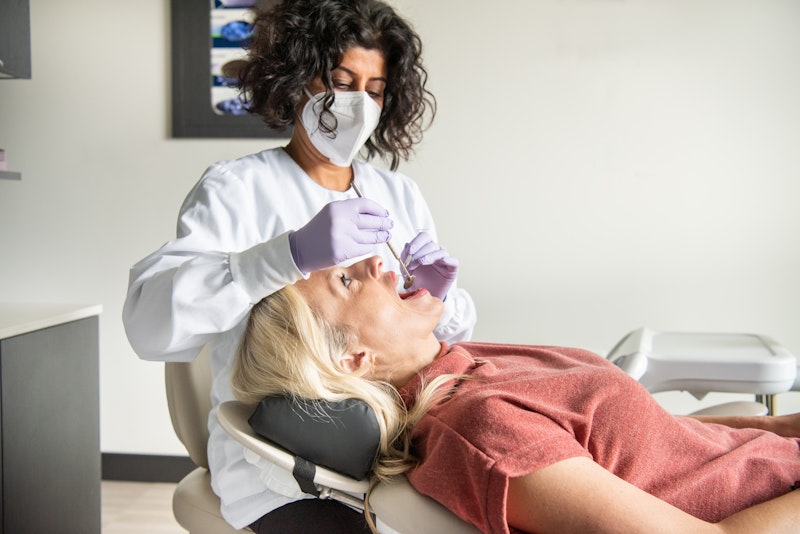
Dentistry is precision work. You’re operating in one of the most confined spaces in medicine, working with fine instruments, under magnification, often in compromised lighting. The margin for error is small.
Most conversations about clinical precision focus on technique, technology, and training. Fewer focus on what’s happening in the chair itself and how directly that affects your ability to work.
Patient positioning is a foundational element of clinical precision. When patients are poorly supported, they move. When they move, access shifts. When access shifts, so does your posture and your ability to work with control.
Movement Is the Enemy of Precision
A patient who feels unstable will compensate. The body responds to discomfort by shifting weight, lifting the hips, repositioning the legs, or tensing the neck and shoulders. These are physical reflexes, automatic responses to instability.
Each patient shift interrupts your working angle. Over the course of a procedure, those interruptions add up. Repositioning takes time. Re-establishing access takes focus. Repeatedly working around a moving patient increases physical strain on the operator.
The solution is removing the source of movement before it starts.
Patient cooperation improves naturally when the body feels supported. Comfort reduces the instinctive urge to adjust, and a patient at ease is a patient who stays still.
Positioning Creates a Stable Working Environment
When patients are properly supported from head to knee, the body settles. Pressure is distributed evenly. The lower back is cushioned. The legs are elevated and aligned. The head rests in a consistent, neutral position.
That stability benefits both patient comfort and the working environment for healthcare providers.
With the patient steady, operators maintain clearer access throughout the procedure. Treatment flows more smoothly because the patient is settled and stays that way.
The Headrest Sets the Angle
Head position has a direct impact on clinical access.
When the head tilts back and the jaw opens forward naturally, the upper arch comes into optimal alignment for treatment. When that angle is off, even slightly, operators compensate by moving their own body into it.
Crescent headrests and neck supports are designed to guide the patient’s head into this position naturally. The slope of the cushion allows the head to tilt back and the jaw to turn up and open without the patient having to hold the position themselves. The result is consistent access to the upper arch with less physical demand on the practitioner.
For practices using double-articulating headrests, the Low-Profile Headrest addresses a common positioning problem. When double-articulating headrest chairs are angled correctly for upper arch work, the edge of the headrest can press into the back of the patient’s head. Developed in collaboration with dental ergonomics expert Bethany Valachi, PT, MS, CEAS, the low-profile design eliminates that pressure point, making patients more comfortable in the reclined position. When patients tolerate the position, operators can maintain it.
Lower Body Support Changes the Dental Experience
Precision depends on supporting the full body, head to knee. Lower body instability has a way of working its way up. Pressure builds in the hips, the lower back tightens, and eventually the patient shifts.
That shifting changes the relationship between the patient’s head and the operator’s hands, often in the middle of a procedure.
The Dental Chair Knee Support functions as a knee wedge and leg rest, elevating and supporting the legs, aligning the hips, and reducing pressure on the lower back. The Dental Chair Backrest fills the natural gap between the patient’s back and the chair, cushioning and supporting the lower back throughout longer procedures.
These patient positioning accessories stabilize the lower body so the upper body stays still and access stays consistent.
A Complete Positioning System
Each repositioning product improves a specific support point. But precision benefits most from a coordinated approach where every contact point is addressed.
The Crescent Signature Bodyrest System integrates all four patient positioning accessories into a single system designed to work together:
- Full-length chair pad
- Headrest and neck support
- Backrest
- Knee support
Each component addresses a specific source of instability. Combined, they create a stable, aligned, comfortable position that holds throughout treatment.
Set-up time is minimal. The system fits directly into your existing dental chair, and consistent placement across operatories keeps your team’s workflow predictable.
Available in six colors (Dark Teal, Gray, Beige, Navy, Brown, and Black), the Bodyrest System integrates cleanly with the visual environment of your practice. The medical-grade vinyl covers are easy to disinfect between patients and built to maintain their appearance through daily clinical use.
Positioning Supports Sustainability
The benefits of proper patient positioning extend beyond individual appointments. When patients are comfortable and cooperative, procedures move efficiently. When operators work in better posture, physical strain accumulates more slowly. Both outcomes support the long-term sustainability of your dental practice.
Healthcare providers who invest in patient positioning equipment protect their own health while improving their patients’ experience. Less cumulative strain means longer, more comfortable careers. Fewer interruptions mean more consistent, higher-quality care across a full schedule.
Patient positioning is a daily clinical habit with compounding returns.
Precision Begins with Positioning
A patient who is properly supported stays still. Stillness gives you consistent access. Consistent access means greater control, better posture, and more sustainable care across a full career.
It starts and ends with the chair.