Pediatric Positioning: Making Appointments Easier for Kids and Dentists
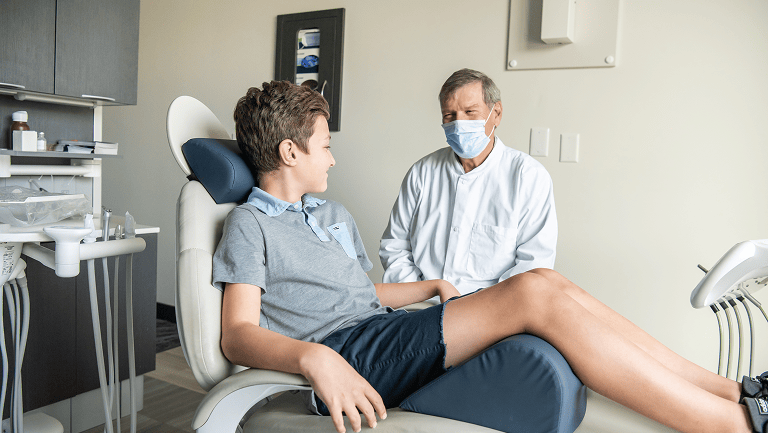
Talk to enough adults about the dentist and a pattern shows up. The first few visits are the ones they remember. Pediatric dentists and hygienists are the ones who get to decide which kind it is.
Prizes and cartoon toothbrushes help set the tone. A good chairside manner does too. But a lot of appointments get harder than they need to be simply because the child is uncomfortable in the chair. Fix that first and everything else gets easier.
The right accessories go a long way.
Why Pediatric Positioning Requires a Different Approach
Adult dental chairs are built for adult bodies. For children, that means pressure in the wrong places, legs that don’t reach, and a head position that makes access difficult for the provider. Working around that takes effort and it shows up in longer dental procedures, more repositioning, and more physical strain on the operator.
Getting positioning right from the start changes how the whole dental appointment goes.
The Role of the Parent
Parents are part of every pediatric dentistry appointment, whether they’re in the room or in the dental office waiting area. When a child feels settled and comfortable, reassurance from a provider or a nearby parent helps. When they’re squirming and uncomfortable, no amount of calm talking fixes it.
Physical comfort and emotional well-being work together. When the chair does its job, the dental team and parents can do theirs.
Some practices invite parents to sit close by for younger or more anxious patients. Tell-show-do techniques work better when a child is physically settled. A child who feels secure in the chair is more receptive to explanation and positive reinforcement. In those situations, seeing their child visibly well-supported in a properly fitted chair also matters to the parent. It communicates that the practice thought this through. That goes a long way with parents who are already nervous on their child’s behalf.
Comfort Is the Starting Point
Kids feel discomfort before they can explain it. When something feels off in the chair, the response is instinctive: they move, they pull back, they resist. Dental fear and dental anxiety often have a physical root. A child who is uncomfortable in the chair is already on edge before treatment begins. Getting ahead of that physical friction is one of the most practical things a pediatric dentist or hygienist can do.
Memory foam helps here in a way that standard foam simply does not. It conforms to the body without pushing back, which means smaller bodies get even support rather than concentrated pressure. When kids feel settled, they stay still.
Comfort items also play a role. Allowing a child to bring a favorite stuffed animal or familiar comfort item to the dental office gives them something to hold onto during the appointment. Paired with proper physical support in the chair, these small gestures add up to a more positive experience overall.
The Dental Chair Child Booster Seat
The Dental Chair Child Booster Seat lifts children to the right height for dental treatment and brings their body into proper alignment for both dental checkups and medical imaging. It is built with memory foam for genuine comfort, not just added height.
The puppy print design is a small thing that does real work. Children notice it when they sit down. It gives them something familiar in a dental office environment that can feel unfamiliar, and it helps shift the tone of the appointment before treatment even begins.
Key benefits for the dental team:
- Proper patient height for clear clinical access.
- Improved alignment for dental health exams and medical imaging.
- Memory foam comfort that reduces fidgeting and movement.
- A welcoming design that helps children settle quickly.
When children feel the chair was made for them, the dental appointment starts on better footing for everyone.
The Low-Profile Headrest for Pediatric Patients
Standard headrests are sized for adults. On a child, that often means an awkward head position, a jaw that does not open the way it should, and a provider leaning further than they need to in order to maintain access during dental procedures.
The Low-Profile Headrest works across a wide range of patient sizes in family dentistry and children’s dentistry practices alike. Its lower profile fits smaller heads without the pressure or poor positioning that standard headrests create with pediatric patients. When the head is properly supported, the jaw opens naturally, access improves, and the dental team can work in a comfortable posture without compensating.
It works with both flat headrest and double-articulating headrest chairs, so it fits into your existing setup without any equipment changes.
Small Patients, Lasting Impressions
Young patients who leave a pediatric dental clinic feeling calm and comfortable are more likely to come back without a fight. Those who leave with a bad dental experience carry it forward, sometimes for decades. Building positive habits starts with making checkups and preventive care feel approachable from the very first visit.
Pediatric dentists and hygienists have more influence over that outcome than they might think. The clinical skills, the chairside manner, the dental office environment, all of it contributes. So does something as straightforward as a chair that fits, feels comfortable, and signals to a child that this space was set up with them in mind.
The right accessories make that easier. Smoother appointments now. Better oral health habits for years to come.